Under construction: a farmer in a muttale cap ploughs a wet paddy field with a pair of buffaloes while egrets follow; a tiled house flies the Tulu flag behind.

Under constructionTulu Nadu · ತುಳುನಾಡು

A home for everything Tulu.

tulunadu.org is a reference site about the Tulu language, the land between the Western Ghats and the Arabian Sea, and the people who live on it. The site is still being built. Most of the research is done and the writing has begun.

Help build thisSee what is coming

Karnataka Cabinet approves official status for Tulu

On 18 September 2026 the Karnataka Cabinet met in Mangaluru and agreed to give Tulu official standing in two districts, Dakshina Kannada and Udupi. The government's wording is “second additional language for administrative purposes”. Rs 82 lakh a year is to go on translation and training. So far it is a Cabinet decision: no government order or notification had been reported by 21 September. The 2011 Census counted 1,846,427 Tulu speakers.

Sources: The News Minute, 18 Sep 2026; Deccan Herald, 18 Sep 2026
Purpose

Why this site

Vision

Tulu Nadu's language, customs and stories written down, sourced and open to everyone, in its own languages.

Mission

To build the most complete and reliable reference on Tulu Nadu. Every ritual, festival, community, place and story is recorded with its variants and its sources, in English, Kannada and Tulu, and is free to read.

  1. 1

    Record

    Write customs down while the elders who know them can still correct us.

  2. 2

    Explain

    Give the meaning as well as the steps, for the young and for families far from home.

  3. 3

    Share

    Free to read, in three languages, with every source named so that others can build on it.

Behind it are two of us, husband and wife from Kudla (Mangaluru), now in Melbourne. We are collectors, not authors: the knowledge here belongs to the people of Tulu Nadu, and we write down what they know, with their names on it. About us

What you will find here

Twenty-two sections are planned. These come first, starting with the rituals.

  • Opens first

    Rituals of a lifetime

    ಕಟ್ಟ್ ಕಟ್ಟಲೆ

    The cradle ceremony, bayake, the wedding, the last rites and the rest, with each step and what it means.

  • Daiva and naga worship

    ದೈವಾರಾಧನೆ · ನಾಗಾರಾಧನೆ

    Bhuta kola and nema, the daivas and their stories, the naga bana and nagamandala.

  • Language and script

    ತುಳು ಬಾಸೆ · ತುಳು ಲಿಪಿ

    Where Tulu comes from, its dialects, the Tulu (Tigalari) script, and how to read and learn it.

  • Paddanas and literature

    ಪಾಡ್ದನ · ಸಾಹಿತ್ಯ

    Koti-Chennaya, Siri and the other oral epics; written Tulu from the old palm-leaf texts to today.

  • Yakshagana and the arts

    ಯಕ್ಷಗಾನ · ನಲಿಕೆ

    Yakshagana in its two styles, Tulu theatre and cinema, folk dances and music.

  • Kambala and games

    ಕಂಬುಲ · ಗೊಬ್ಬು

    The buffalo race, its history and rules, and the games of the village.

  • Festivals and the Tulu months

    ಪರ್ಬ · ತಿಂಗೊಲು

    Bisu, Aati, Sona, Keddasa, Deepavali parba: the Tulu calendar and what is done in each month.

  • People and communities

    ಜನಕುಲು · ಸಮುದಾಯೊಲು

    The communities of Tulu Nadu, aliyasantana and matrilineal descent, house names and clans, and the diaspora.

  • History

    ಚರಿತ್ರೆ

    From the Alupas to the present: inscriptions, Barkur and Mangaluru, the ports, the colonial period and after.

  • Places

    ಊರುಲು

    Towns and villages, what their names mean, temples, basadis, churches and mosques, the rivers and the ghats.

  • Food

    ವಣಸ್ · ತಿನಸ್

    Kori rotti, neer dose, patrode, fish curries and the festival kitchen, with the stories behind the dishes.

  • Coast and land

    ಕಡಲ್ · ಕಂಡ

    Fishing, farming, areca and paddy, the monsoon, and the knowledge handed down with them.

Faces of Tulu Nadu

Photographs from Wikimedia Commons, credited to their authors.

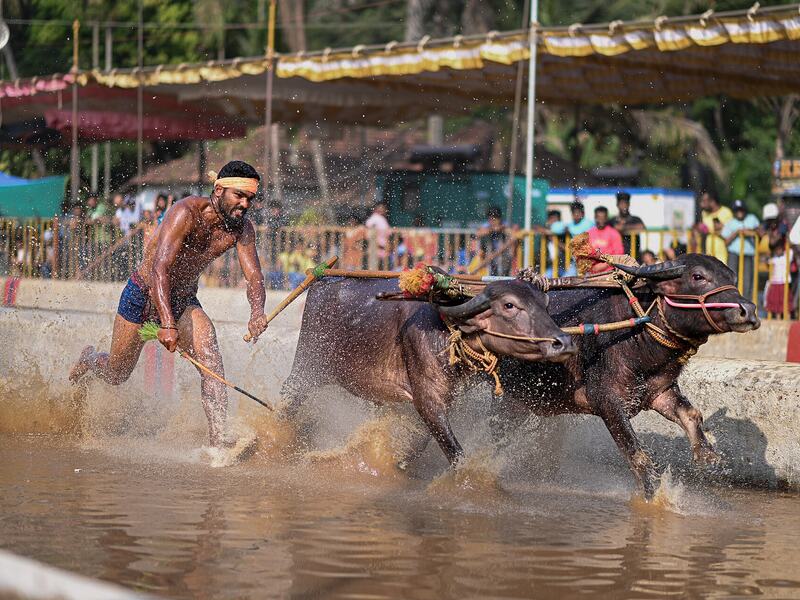
A Kambala runner drives a pair of buffaloes down the water track, spray flying.
Kambala, the buffalo racePhoto: SamrudhKottary, CC BY-SA 4.0, cropped
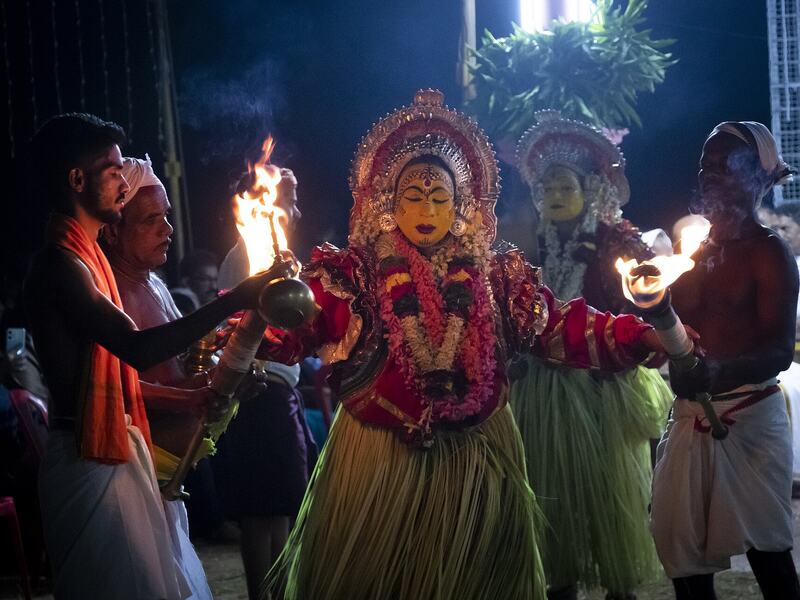
Bhuta kola performers in tender coconut-leaf skirts at night, with attendants holding oil torches.
A kola at night, lit by torchesPhoto: Naveen Kumar Manne, CC BY-SA 4.0, cropped
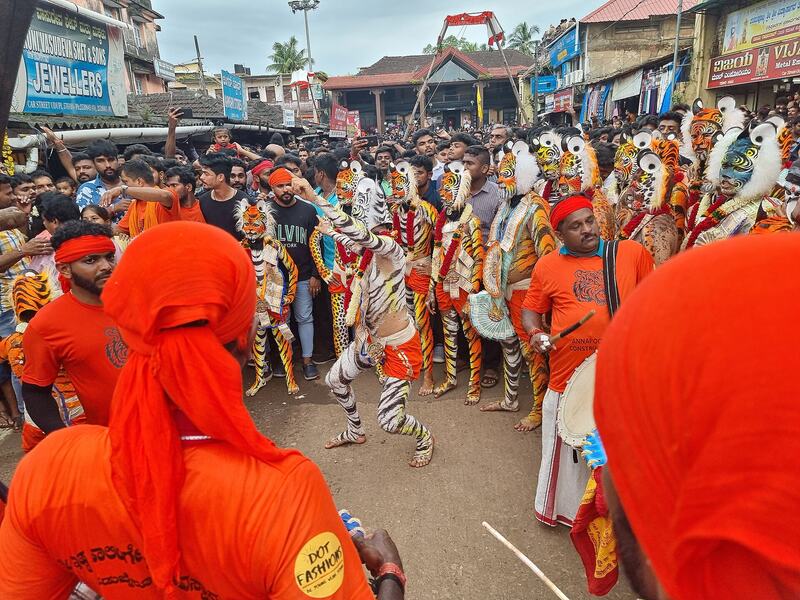
Dancers painted as tigers perform in a crowded street with a drummer beside them.
Pili vesha, the tiger dance, UdupiPhoto: Pavanaja, CC BY-SA 4.0, cropped
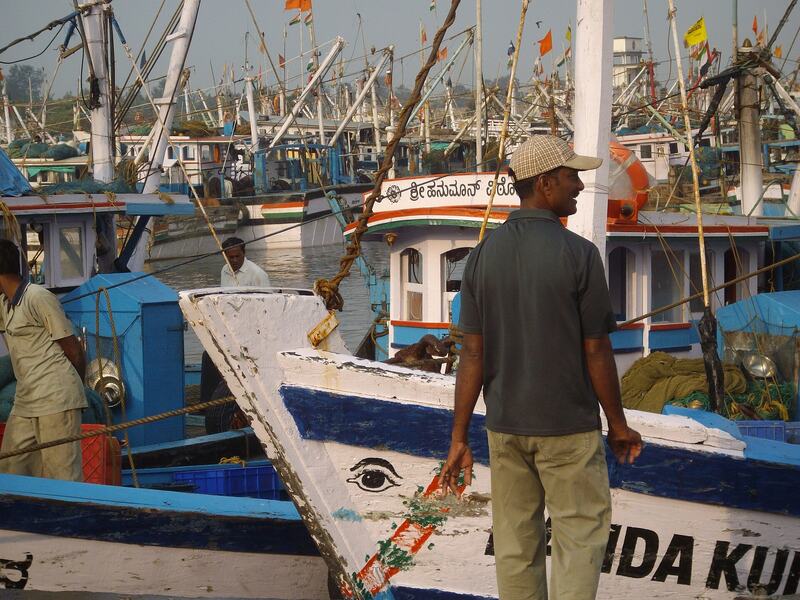
A fisherman stands beside a wooden boat with an eye painted on its bow; trawlers and flags behind.
Malpe fishing harbourPhoto: Rudolph.A.furtado, Public domain, cropped

How we work

  • Every fact has a source

    Each page lists where its facts come from and credits the authors. If a claim cannot be sourced, it is not published.

  • Where tellings differ, we say so

    Customs change from village to village and from family to family. We record the variants instead of choosing one.

  • Three languages

    English first. Kannada and Tulu, written in Kannada script, follow as native speakers review the pages.

  • Open to correction

    If something is wrong or missing for your village or community, we want to hear it. Write to the address below.

Early contributors welcome

Help build this

This is a volunteer project and it is early. If you know Tulu Nadu, there is something here you can do.

  • Tell us how your family does it

    Rituals differ by village, community and house. A short note on how yours are done is valuable.

  • Write or review

    Draft a page on a subject you know, or check ours for mistakes.

  • Translate

    Kannada and Tulu readers to translate pages and to review translations.

  • Photographs and recordings

    Your own photographs, recordings of songs and paddanas, old family pictures, with permission to publish.

  • Scholars and institutions

    Point us to sources, correct our reading of them, or open an archive.

  • Design and code

    Illustration, maps, a searchable glossary, the Tulu script.

Write to namaskara@tulunadu.org

Tell us who you are, what you know and which language you prefer. Every message gets a reply. Please write first: do not send photographs or recordings until we have agreed how they will be used.

For associations, academies and archives

We would like to work with Tulu associations, academies, universities and archives as early partners: to check facts, to open up collections, and to reach elders and readers. The site is independent and non-commercial, and it credits every contribution by name.

Where we are

  1. Research29 topic areas researched, with every source recorded.
  2. Content plan22 sections mapped down to page level.
  3. DesignVisual identity, the style guide and this page.
  4. First pagesThe rituals section opens first.
  5. Kannada and Tulu editionsPublished as each page is reviewed.